
VR design review and collaboration tools for AEC teams.
We convert Revit models and CAD files into walkable VR environments where stakeholders catch problems early, compare configurations, and make decisions that used to require physical mockups.
Selected Clients
Capabilities
Services for architecture & construction.
The right mix depends on the audience, source data, and where the finished experience needs to run.
From source material to production.
01
Define
We document the audience, business goal, source material, technical constraints, and measures of success.
02
Prepare
We review CAD, BIM, product data, references, and existing systems, then establish the production and integration pipeline.
03
Build and review
We deliver work in reviewable stages so subject-matter experts can check content, interactions, and visual accuracy throughout production.
04
Deploy and support
We package for the agreed platforms, validate the production environment, and provide handoff documentation and support as needed.
Why teams in architecture & construction come to us.
Construction projects have too many stakeholders looking at 2D drawings and trying to imagine 3D space. Mistakes found during construction cost 10x what they cost during design. Physical mockups are expensive and only cover a fraction of the variations. Coordination meetings need everyone in the same room looking at the same thing.
How we solve it.
Revit-to-VR conversion
We take your existing Revit models and CAD files and build fully walkable VR environments from them.
Multi-stakeholder review
Up to 20 people in a room, one in VR, everyone watching a live feed. Design decisions happen in real time.
Configuration comparison
Walk through every room variation, finish option, and layout change without building a single mockup.
Remote collaboration
Teams in different offices join the same VR session without travel.
Architecture & Construction Projects
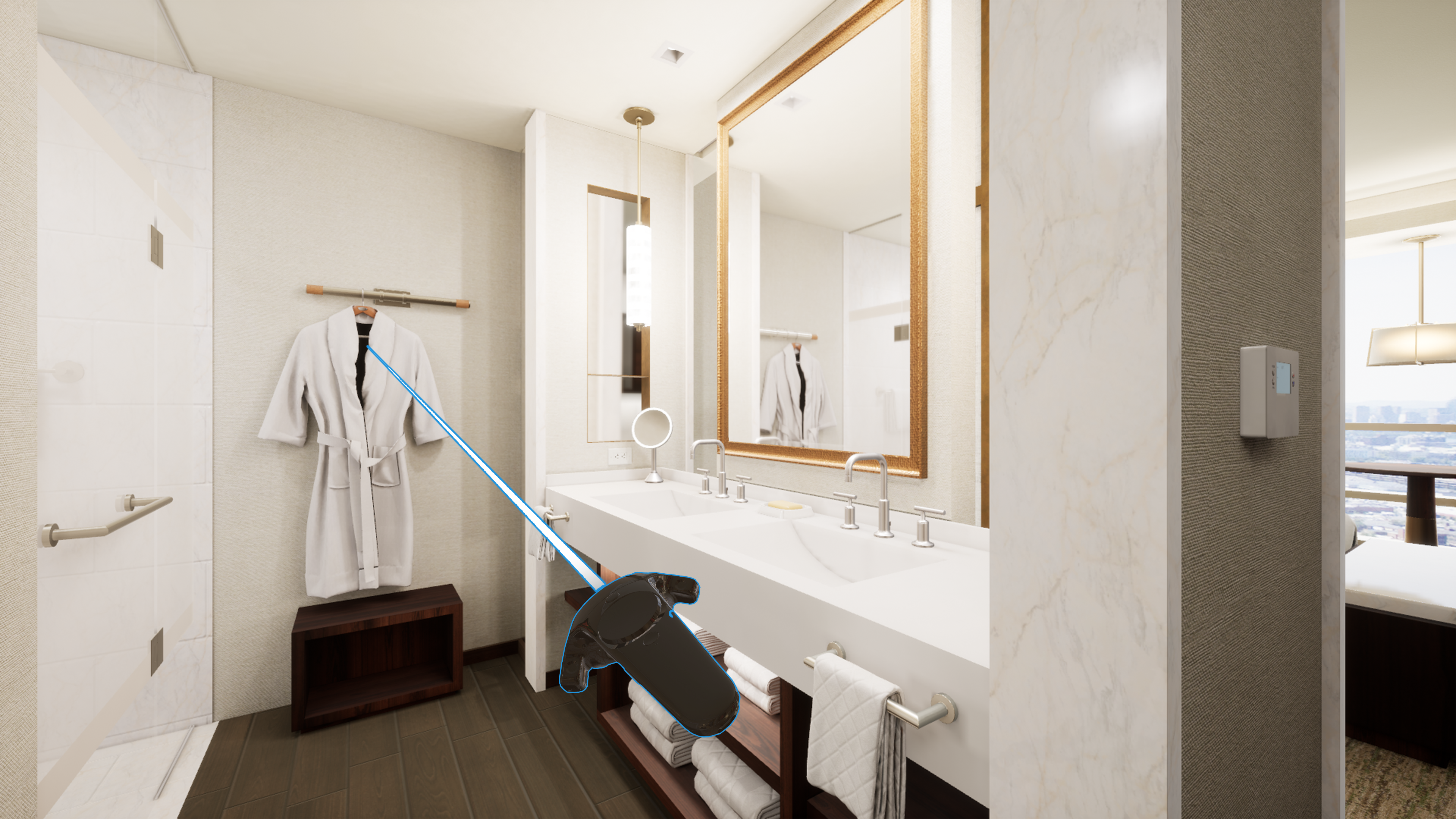
$1.5B Hotel Expansion in VR
Seminole Hard Rock
Suffolk-Yates was awarded the contract to build the $1.5 billion expansion of the Seminole Hard Rock Hotel & Casino in Hollywood, Florida. The new tower, a 450-foot guitar-shaped structure housing 638 luxury rooms, had more than 60 different room configurations, with no two floors identical. The project was on a tight timeline, slated to complete before Super Bowl LIV. Suffolk-Yates called on Theia to bring the entire property into VR.
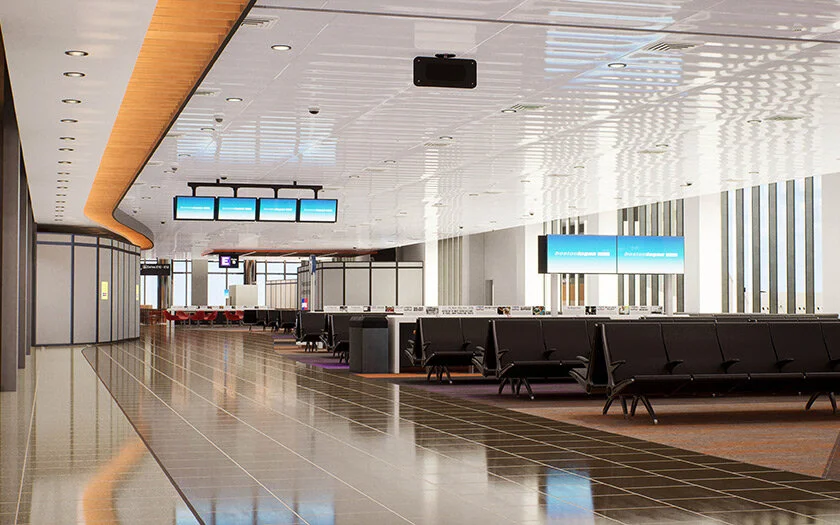
Logan Airport Design Review
Suffolk
Suffolk Construction partnered with Theia to create a robust VR design collaboration tool for a major renovation and new construction project at Boston's Logan Airport. Multi-user functionality allowed stakeholders across different locations to collaborate in real time, expediting the review process.
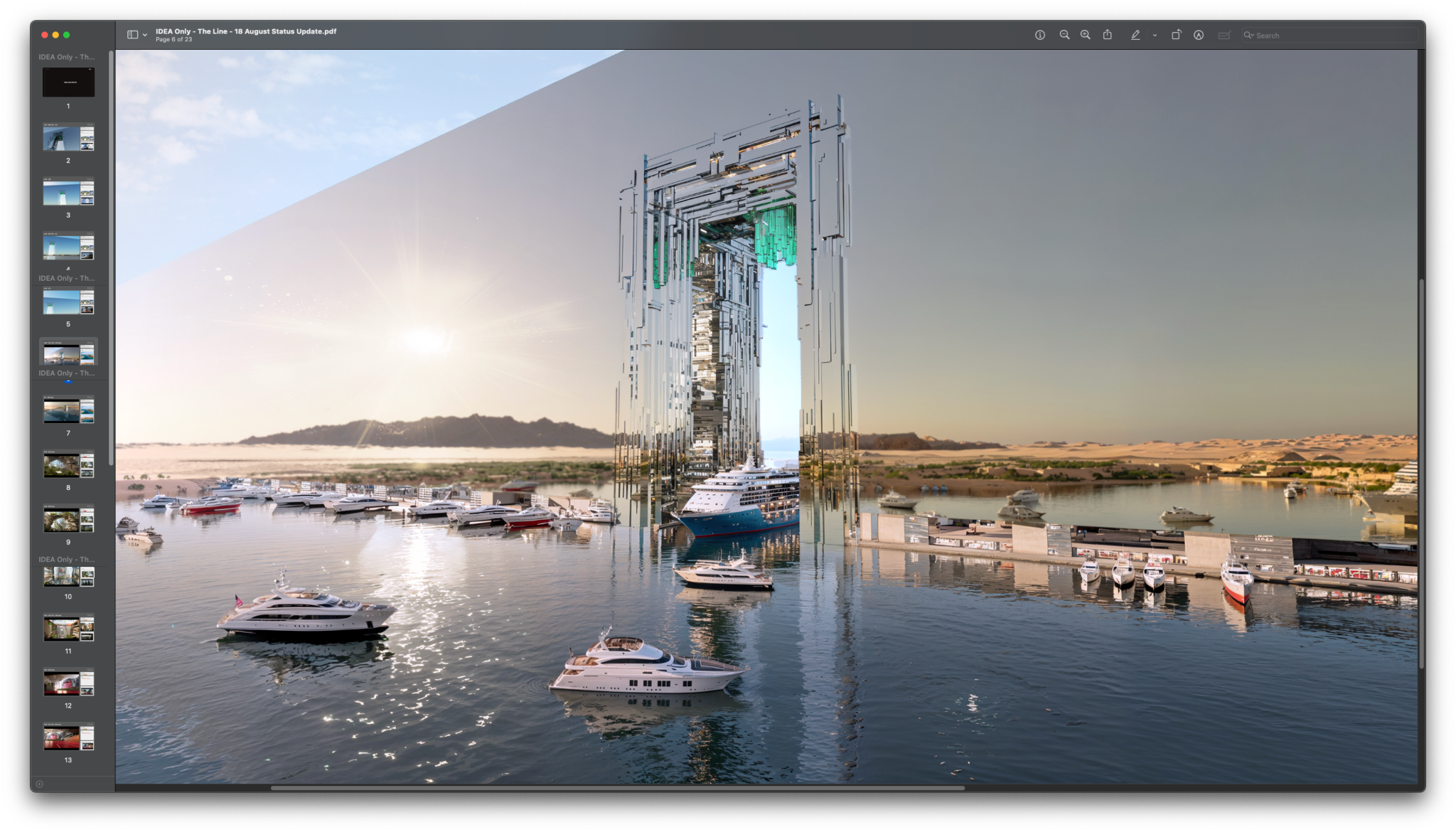
The Line
NEOM
NEOM's The Line is unlike anything being built on Earth — a 170-kilometer linear city planned for the northwest of Saudi Arabia, designed to house 9 million people in a structure 500 meters tall and just 200 meters wide. When you're visualizing something that doesn't exist yet at that scale, static renders don't cut it. Theia was brought in as part of the international team to bring The Line to life in real time.
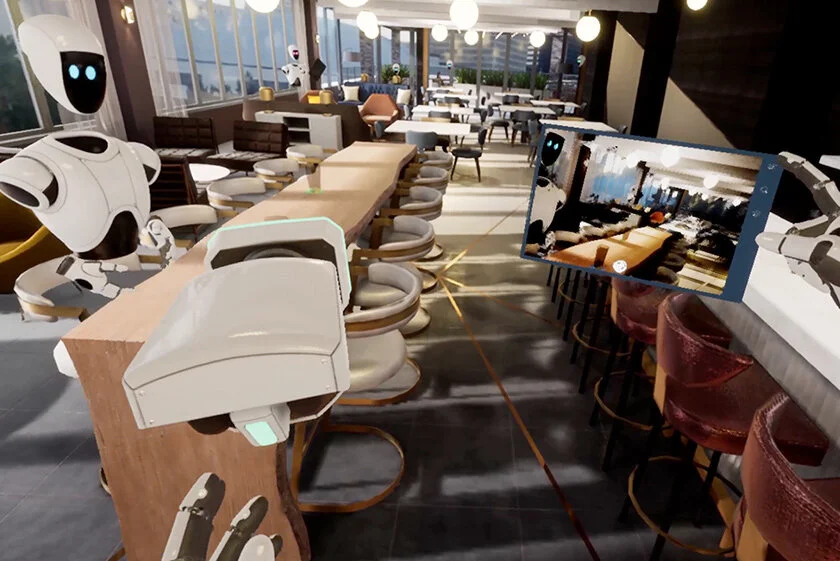
Nashville Hotel VR Design Review
TownePlace Suites
The Gettys Group partnered with Theia to create a fully rendered 3D VR model of a premiumized TownePlace Suites hotel in Nashville. The virtual environment streamlined the design review process for multiple stakeholders, enabling faster decisions and real-time collaboration.
We had nowhere near the number of iterations we would have had without VR. Each iteration we didn't do saved the client hundreds of thousands of dollars.
Kyle Goebel
Senior VDC Manager, Suffolk-Yates
Before a project starts.
What can you build for architecture & construction teams?
Projects may include Digital Twins, Virtual Showrooms, and Training & Simulation. We determine the right format and delivery platform during discovery.
What do you need from our team to get started?
We usually begin with the source material you already have: CAD or BIM files, product data, reference media, technical requirements, and the intended audience. If something is missing, we identify the gap during discovery and account for it in the scope.
Does every project require VR?
No. The delivery platform follows the use case. A project may run in a browser, as a desktop application, on a headset, or across several platforms.
Can the experience connect to existing systems?
Yes, when integration is part of the scope. We can connect to product data, authentication, analytics, learning platforms, operational APIs, and other business systems after reviewing the available interfaces and security requirements.