
Virtual showrooms, configurators, and design tools for automotive brands.
We build interactive 3D experiences for automotive companies. Buyers explore vehicles remotely. Design teams review models without physical prototypes. Sales teams get tools that work across web, desktop, and VR.
Selected Clients
Capabilities
Services for automotive.
The right mix depends on the audience, source data, and where the finished experience needs to run.
Digital Twins
1:1 scale photoreal replicas of products and environments.
Virtual Showrooms
Interactive 3D environments for product showcases and sales.
Product Configurators
Live 3D configurators where buyers pick colors, materials, and options in real time.
Visualization & Rendering
Photoreal and stylized rendering for product, architectural, and marketing visuals.
Streaming Applications
Pixel streaming puts Unreal Engine in any browser. No download required.
From source material to production.
01
Define
We document the audience, business goal, source material, technical constraints, and measures of success.
02
Prepare
We review CAD, BIM, product data, references, and existing systems, then establish the production and integration pipeline.
03
Build and review
We deliver work in reviewable stages so subject-matter experts can check content, interactions, and visual accuracy throughout production.
04
Deploy and support
We package for the agreed platforms, validate the production environment, and provide handoff documentation and support as needed.
Why teams in automotive come to us.
Selling a car without a physical showroom. Reviewing a new model without a prototype. Training technicians on a vehicle that hasn't been built yet. Automotive companies hit these problems at every stage of the product lifecycle, and static renders or video walkthroughs don't cut it.
How we solve it.
Virtual showrooms
Buyers configure and explore vehicles in a 3D environment from anywhere. No dealership visit required.
Design review in VR
Design teams walk through full-scale models, compare options, and make decisions without waiting on physical prototypes.
Product configurators
Colors, trims, wheels, interiors. Everything renders live and runs on the web.
Training simulations
Onboarding and technical training that scales without pulling engineers into every session.
Automotive Projects
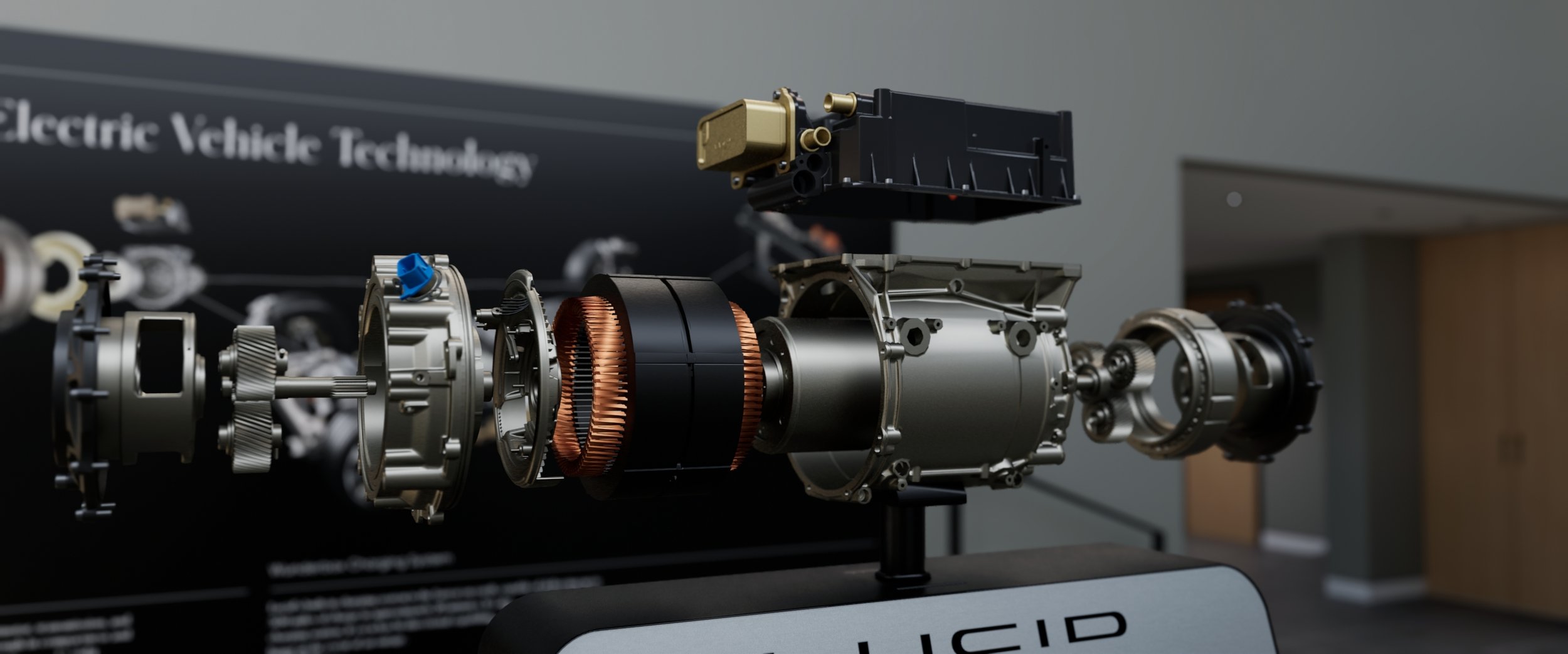
Lucid Air Virtual Showroom
Lucid Motors
Theia built a virtual showroom and digital twins for the Lucid Air luxury electric vehicle, enabling global buyers to explore, configure, and interact with the vehicle in a photorealistic environment.
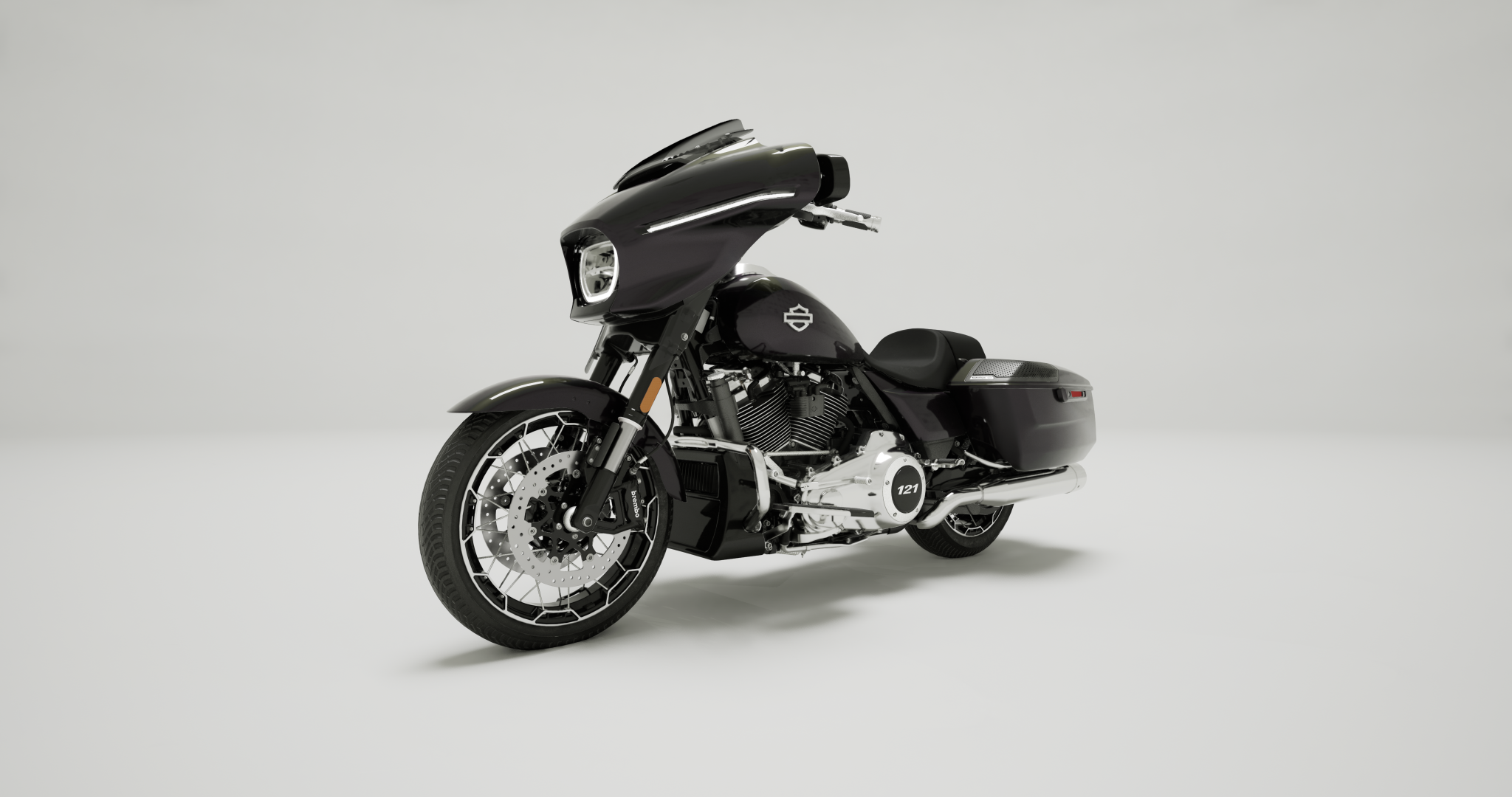
Real-Time VR Design Review
Harley-Davidson
Harley-Davidson's internal design team needed a faster way to review new models and test variations without waiting on physical prototypes or multi-day render pipelines. They came to Theia to build a visualization tool that their designers could actually work with on a daily cadence.
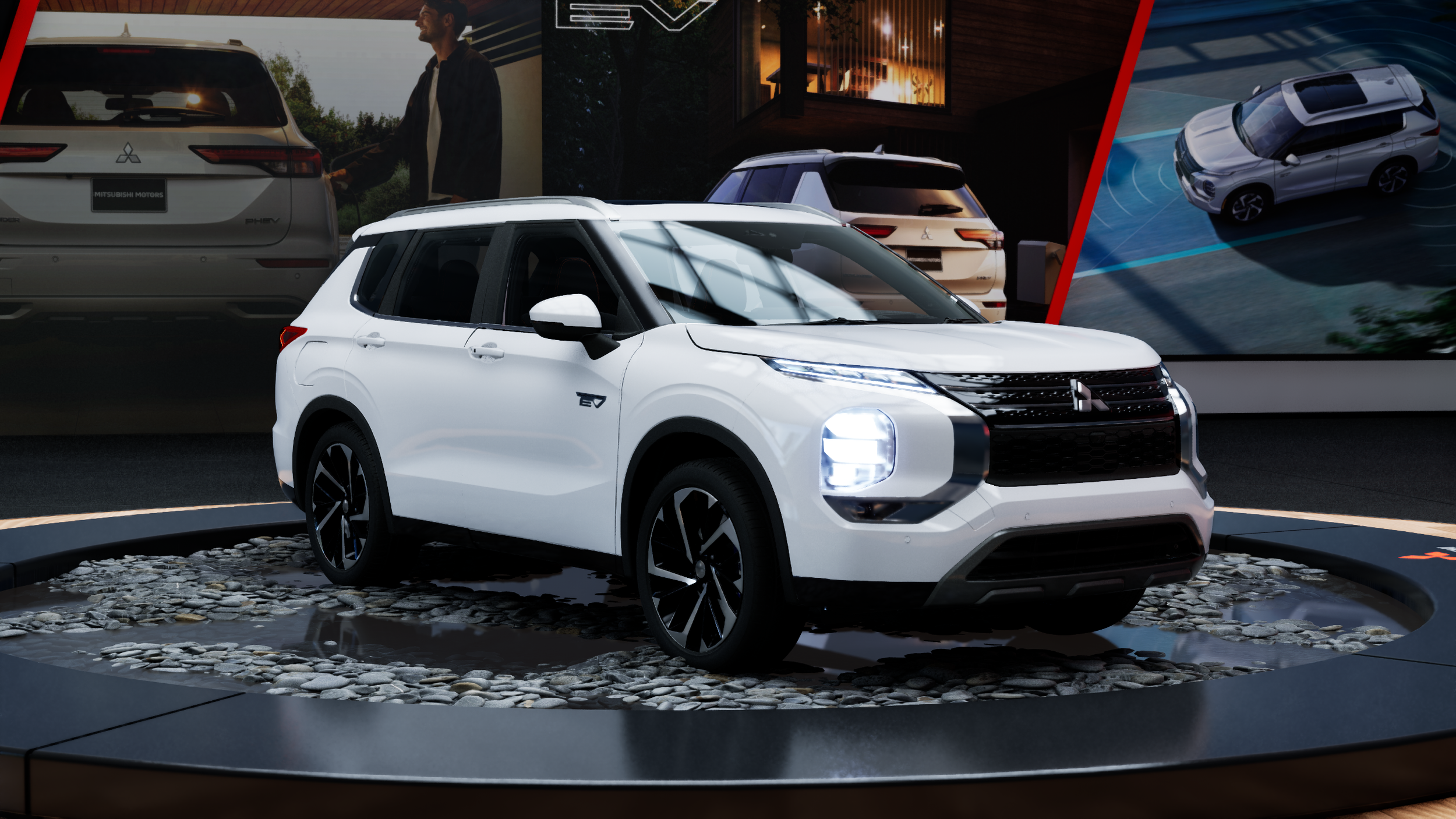
Outlander PHEV Interactive Experience
Mitsubishi Canada
Mitsubishi Motors Canada needed a smarter way to educate buyers on the Outlander PHEV. Theia built an interactive education and sales tool that lets users configure their vehicle and explore its technology in depth, going well beyond a standard configurator.
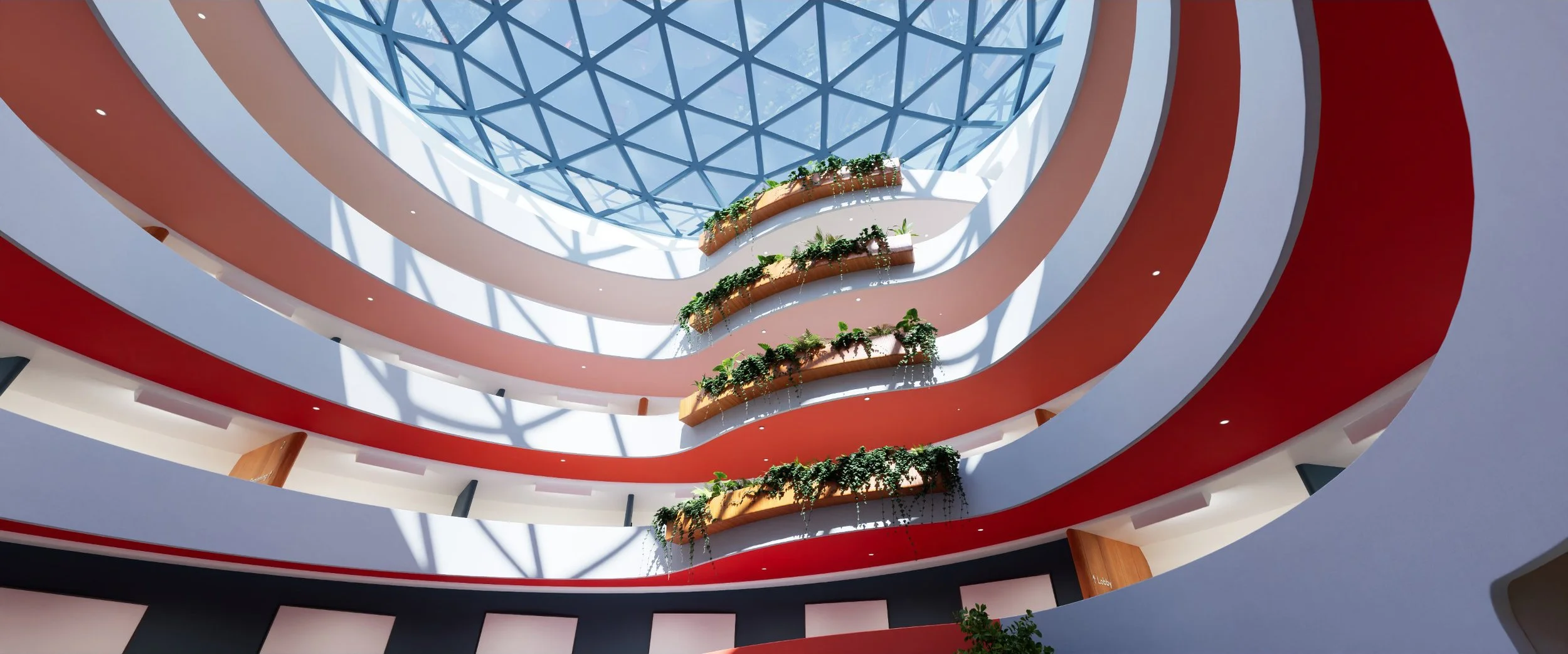
Autonomous Vehicle Onboarding
Cruise
Cruise needed to stop pulling senior engineers into every onboarding session. Theia built a virtual simulation that handles the job at scale, giving every new hire a consistent, interactive introduction to how autonomous vehicles work.
Before a project starts.
What can you build for automotive teams?
Projects may include Digital Twins, Virtual Showrooms, Product Configurators, and Training & Simulation. We determine the right format and delivery platform during discovery.
What do you need from our team to get started?
We usually begin with the source material you already have: CAD or BIM files, product data, reference media, technical requirements, and the intended audience. If something is missing, we identify the gap during discovery and account for it in the scope.
Does every project require VR?
No. The delivery platform follows the use case. A project may run in a browser, as a desktop application, on a headset, or across several platforms.
Can the experience connect to existing systems?
Yes, when integration is part of the scope. We can connect to product data, authentication, analytics, learning platforms, operational APIs, and other business systems after reviewing the available interfaces and security requirements.